Crafting Your Own Urban Adventure: Beyond the Tourist Trail
Why the Standard Tourist Itinerary Often Falls Short
Most city guides are built for speed. They herd visitors between the same ten landmarks, snap the same photos, and move on. The result is a blur of crowds and queues, with little sense of what makes a place feel alive. A different approach to city exploration exists, one that trades rush for rhythm and lets you follow your curiosity rather than a bus schedule.
Self-guided walking tours offer that alternative. Instead of being locked into a fixed group itinerary, you decide where to pause, which side street looks promising, and when to sit down at a café that has no line. The most rewarding versions of these tours lean on offline audio guide technology, so you never need to worry about signal dead zones or roaming charges. You download your route before you leave, and the stories play as you walk, triggered by your location or by your own pace.
What Makes a Tour Feel Like a Discovery
The best city tours do not just list dates and names. They give you context. A good guide explains why a certain square was built at an odd angle, or what kind of trade once filled the narrow alley that now holds a quiet bookshop. This kind of fact-checked information turns a walk into a layered experience. You see the same buildings, but you understand the forces that shaped them.
A flexible route matters too. Some days you want to walk five kilometres and see a dozen sites. Other days you want to cover two blocks and spend half an hour reading the plaques on a single monument. A tour that locks you into a rigid path defeats the purpose of going at your own speed. Look for routes that let you skip, reorder, or extend sections without losing the narrative thread.
Offline stories are more than a convenience. They free you from staring at a screen every few minutes. You listen, look up, and absorb the city around you. The audio becomes a companion, not a distraction. When the battery on your phone is low or you are in a subway tunnel, the tour keeps working. That reliability matters more than most first-time visitors realise.
How to Find the Right Tour for Your Style
Not every self-guided tour is created equally. Some are little more than a list of addresses read aloud. Others weave narrative, history, and local anecdotes into a coherent walk. Before you choose, check a few things. Does the tour mention recent changes to the neighbourhood? Is the audio voiced by someone who sounds engaged, or does it feel like a textbook? Does the app allow you to adjust your pace without losing your place?
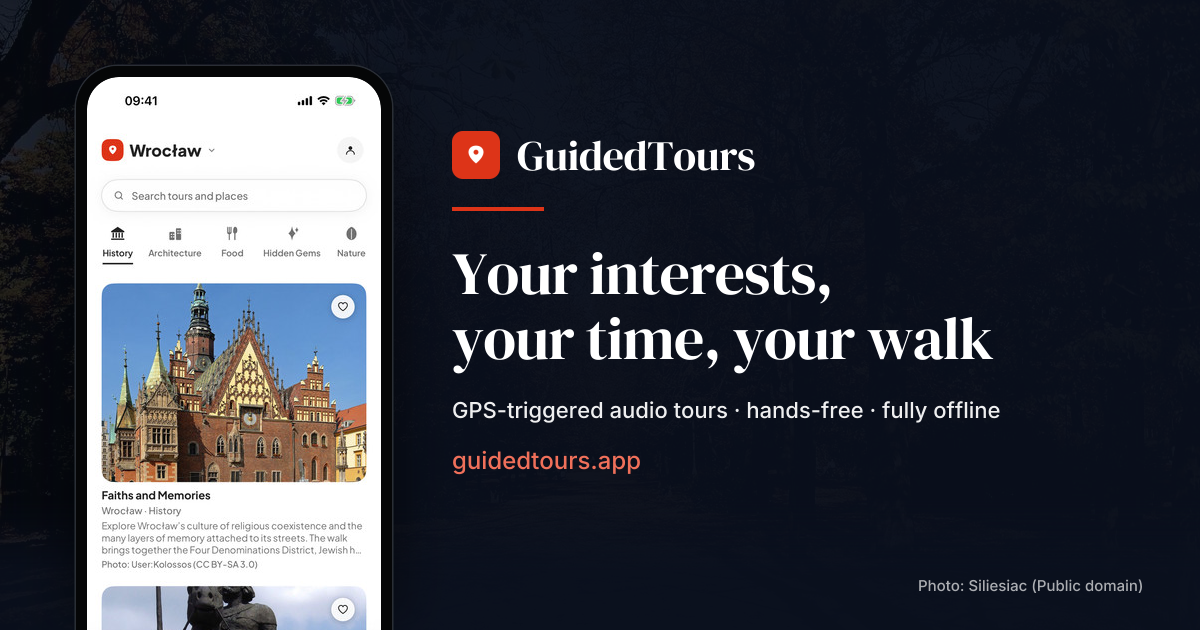
Another factor is the length of the tour. A good option for a half-day city visit might be a two-hour walk that covers three distinct districts. For a full day, you might want a longer route with optional detours. The best apps let you mix and match, so you can start one tour in the morning and pick up a different one after lunch.
One underrated feature is the ability to save your progress. If you stop for lunch, get caught in rain, or simply need a break, you should be able to resume exactly where you left off. A hidden gems city tour done right respects your time and your energy. It does not punish you for wanting to linger.
Building a Personalised Itinerary Around Your Interests
The real magic happens when you combine a solid tour with your own research. Read a local blog about a bakery that opened last month. Note a street art alley that a friend mentioned. Then, use the tour as a backbone and build your own personalised itinerary around it. You might start with the tour's recommended path, then branch off for fifteen minutes to see that bakery, then rejoin the audio where you left off.
This blend of structure and spontaneity is what separates a memorable trip from a checklist. You end up with stories that belong to you, not just the guidebook. You remember the taste of the pastry, the smell of the alley, the sound of a musician playing in a courtyard you would never have found otherwise.
For travellers who enjoy depth, some tours include optional deep-dives. These are short, focused segments on a single topic, like the architecture of a particular bridge or the history of a local festival. They let you choose your level of detail. If you are not interested in Gothic window tracery, you skip that segment. If you are fascinated by it, you listen to every word.
Practical Tips for a Smooth Self-Guided Walk
Preparation makes the difference between a relaxed day and a frustrating one. Charge your phone fully before you leave. Download the tour over Wi-Fi so you avoid using mobile data. Bring a portable battery pack if your phone tends to drain quickly. Wear comfortable shoes and carry water. These sound obvious, but they are the most common reasons a good walk turns into a tired slog.

Check the start point of your tour the night before. Some routes begin at a landmark that is easy to find. Others start at a nondescript street corner. Having a screenshot of the starting area saves you from wandering around with your phone out. Also, note the end point. If the tour finishes far from public transport, you might want to reverse the direction or plan a way back.
Weather can change quickly in many cities. A tour that is wonderful in sunshine can be miserable in rain if the route offers no shelter. Look at the forecast and adjust your start time accordingly. Some tours are designed with covered passages or indoor stops, but not all. A little planning keeps the experience enjoyable.
Making the Most of Offline Stories
Offline stories are not just about avoiding data charges. They let you stay present. When you listen to an audio guide that is stored on your device, you do not need to keep checking for signal bars. You can put your phone in your pocket and let the narration guide you. This hands-free approach works especially well in crowded areas where holding a phone makes you a target for pickpockets, or in museums where you want to keep your hands free for a map.
Another advantage is consistency. Some cities have patchy mobile coverage, especially in older districts with narrow streets or in parks with thick tree cover. An offline audio guide ensures that the story does not cut out mid-sentence. For a hidden gems city tour, this reliability is crucial because those hidden spots are often exactly where signal is weakest.
If you plan to visit multiple cities, look for an app that stores several tours at once. You can load up before your trip and then swap between cities without needing to download anything new each day. This saves time and reduces the chance of forgetting to prepare.
When a Tour Becomes More Than a Walk
A well-designed tour does more than show you sights. It changes how you see the city. You start noticing details you would have walked past: a faded sign above a door, a unusual doorknocker, a patch of cobblestones that survived a renovation. The best tours give you reasons to look up, look down, and look around corners.

They also help you understand the layers of a place. A street that looks ordinary today might have been a market in the eighteenth century, a protest site in the twentieth, and a film location in the twenty-first. A tour that weaves these layers together without overwhelming you is a rare thing. It respects that you are there to enjoy yourself, not to memorise dates.
When you finish such a tour, you feel like you have earned your knowledge of the city. You did not just see it from a bus window. You walked its streets, heard its stories, and made your own choices about what to explore. That sense of ownership is what turns a vacation into a lasting memory.
Whether you are a first-time visitor or a returning traveller, the right self-guided tour can reveal a side of the city that guidebooks miss. It gives you freedom without losing direction. It offers depth without demanding hours of reading. And it lets you move at your own pace, which is the only pace that truly works for a personal adventure.